Attic Insulation for Portage, IN Older Homes Near the Lake
A good attic does more than keep the upstairs comfortable. It protects your roof, keeps moisture under control and stops the furnace from running nonstop when the wind comes off Lake Michigan.
Portage is the largest city in Porter County, and a lot of its housing went up decades ago, well before today's insulation standards. Plenty of attics here are working with thin, settled or damaged material, and most homeowners haven't looked up there in years.
An attic retrofit or a removal and replacement can bring an older attic up to modern performance without a big remodel.
Why Older Portage Homes Struggle With Attic Insulation
Many Portage neighborhoods grew up during the steel boom years, when a few inches of insulation was considered plenty. Over time it settles, gets squashed under stored boxes and loses much of what it once did. These are the problems we run into most in older Portage attics:
Insulation levels well below what's recommended today
Gaps where bathroom fans and wiring pass through the ceiling
Uninsulated attic hatches and pull-down stairs
Old loose-fill that has shifted into piles and bare spots
None of this is unusual in a house that's 40 or 50 years old. Once the attic has been properly inspected, most of it can be fixed in a single visit.
How Lake Michigan Weather Affects Your Attic
Living near the lake means nice summers and rough winters. Lake-effect snow stacks up fast on Portage roofs, and strong north winds push cold air into every gap. When warm air leaks up from the house into the attic, it melts the snow on the roof deck. That water runs down and refreezes at the cold eaves, and you get ice dams. They can force water under the shingles and into your ceilings.
Humid lake air adds another problem. Moisture trapped in a poorly ventilated attic can lead to mold and damp insulation. Good insulation along with air sealing and balanced ventilation keeps the roof deck cold and dry, so it's much less likely to get ice damage.
When Old Insulation Needs to Come Out
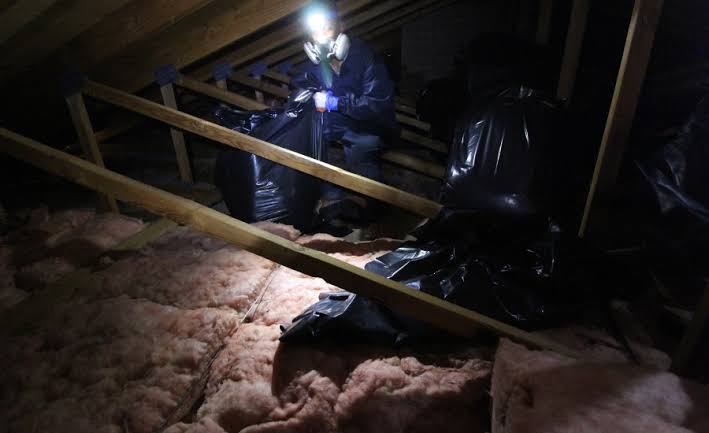
Adding new insulation over old is often fine, but not always. Removal makes sense when the old layer is doing more harm than good. We usually recommend it if you find:
Rodent or bird droppings, nesting or urine odors
Water stains or mold from past roof leaks
Smoke or fire damage
Insulation so compacted it adds very little
Taking the old material out also gives us a clean attic floor for air sealing, which is hard to do well through a deep layer of old insulation. If your attic has vermiculite, a gray-brown pebbly fill, get it tested for asbestos before anyone disturbs it.
How an Attic Retrofit Works
A retrofit upgrades the insulation in an existing home without opening up walls or ceilings. It's a simple process and it usually goes quickly.
Inspect the attic, measure the current depth and check ventilation
Remove damaged or contaminated material where needed
Air seal the top plates, wiring holes, plumbing stacks and attic hatch
Install baffles so the soffit vents stay open
Add insulation to the recommended depth and check for even coverage
Skipping the air sealing is the most common mistake in DIY attic upgrades. If warm air can still slip past the insulation, adding more of it won't fix much. A professional attic retrofit handles both in one project, and that's why it works better than just piling more material on top.
Choosing the Right Material for a Portage Attic
Most Portage attics do fine with blown-in or batt insulation, though spray foam makes sense in a few spots. After one visit we can tell you which mix fits your house. Here's how the common choices compare.
Material | Best use in Portage homes | Key benefit |
Blown-in fiberglass | Open attic floors | Fast coverage and even depth |
Fiberglass batt | Accessible joist bays, knee walls | Affordable and easy to inspect |
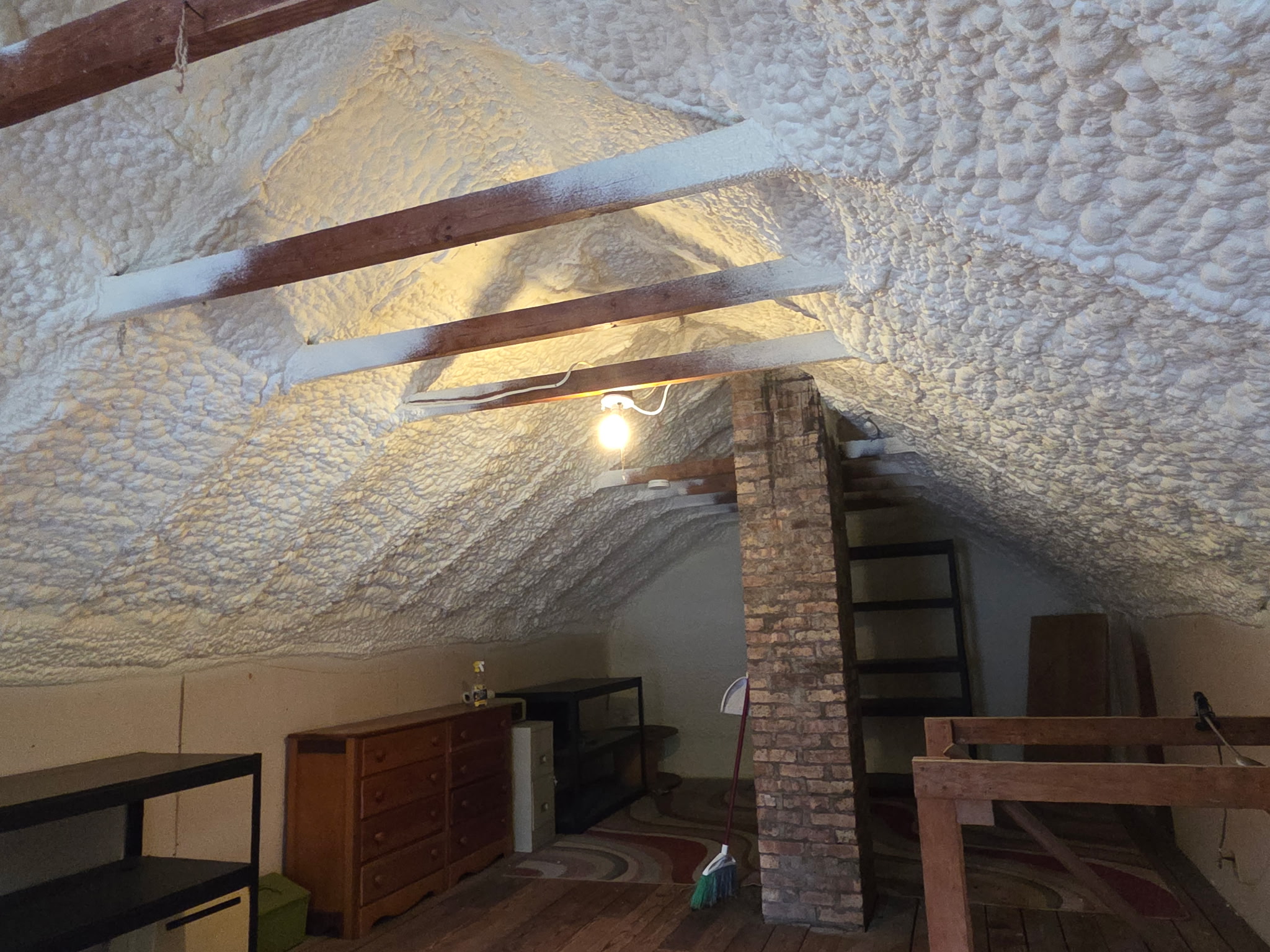
Open cell spray foam | Rooflines over finished or bonus rooms | Air seals and fills irregular gaps |
Closed cell spray foam | Rim joists, cathedral ceilings | High R-value in tight spaces |
The right mix depends on how your attic is framed and whether any of it is finished living space.
What Attic Insulation Costs in Portage
These are typical installed prices for professional work in Indiana.
Service | Typical installed cost |
Blown-in or batt attic insulation | $1.00 to $3.90 per sq ft |
Insulation removal | $1.25 to $2.50 per sq ft |
Spray foam insulation | $2.00 to $5.00 per sq ft |
For a 1,200 square foot attic, a simple top-up could run roughly $1,200 to $4,700. Removal and replacement adds to that. Access, what's already up there and your target R-value all affect the price. These are general ranges, not a quote. We'll confirm your actual cost after we see the attic in person.
Common Questions About Attic Insulation
What R-value should a Portage attic have?
The U.S. Department of Energy recommends R-49 to R-60 for Northwest Indiana. Many older Portage homes fall well short of that, especially where the insulation has settled.
Does attic insulation help prevent ice dams?
Yes, as long as it's paired with air sealing and good ventilation. When warm air stays out of the attic, the roof deck stays cold, so snow is less likely to melt and refreeze at the eaves.
Is old vermiculite insulation dangerous?
Some vermiculite contains asbestos. Have it tested by a qualified lab before anyone moves or removes it. If the test comes back positive, a licensed abatement contractor needs to handle it.
Can I stay home during the work?
For blown-in and batt jobs, usually yes. With spray foam you'll need to stay out for a period set by the manufacturer, often around 24 hours.
Which areas near Portage do you serve?
Eclipse Insulation works in Portage, Ogden Dunes, Burns Harbor, Chesterton, South Haven, Hobart, Lake Station and Valparaiso, and across the rest of Porter and Lake Counties.
Book an Attic Insulation Assessment in Portage, IN
Eclipse Insulation is a locally owned contractor serving Portage and the rest of Northwest Indiana. We're based in Valparaiso, a short drive away.
We'll go through your attic from end to end, show you what we find and recommend the simplest fix that solves the problem. That might be a top-up, an air sealing package or a full removal and replacement. You'll know your options and the price before any work begins.
Call (219) 200-2307 or contact us online to schedule your assessment.

