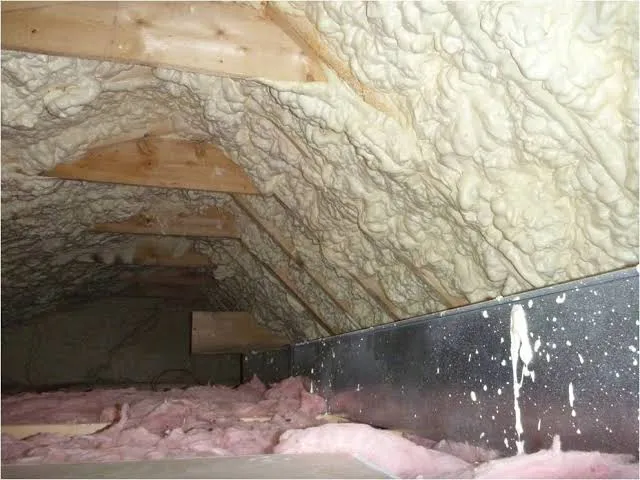
Attic Retrofit vs Full Insulation Replacement and Which Upgrade Saves More on Energy Bills
An attic insulation retrofit and a full insulation replacement are not the same project, though plenty of Northwest Indiana homeowners use the terms interchangeably and get quoted for the wrong one. The difference shows up on your energy bill and on the invoice.
One adds material to what is already there. The other strips the attic to the joists and starts over. Both can cut heating costs, but they suit very different attics, and choosing wrong means either overspending on a fine attic or burying a problem you will meet again in three years. So which one does your house actually need?
What an Attic Insulation Retrofit Actually Involves
An attic insulation retrofit adds new material over insulation that is already performing acceptably. The existing layer stays, the depth increases, and your R-value climbs toward what Climate Zone 5 actually requires.
A proper retrofit is not just blowing more material on top. Air sealing comes first, because insulation slows heat transfer while air leaks move heat outright. Crews seal around recessed lights, plumbing stacks, chimney chases, and the attic hatch, then add depth. Skip the sealing step and you are insulating over an open window.
Retrofits work well when existing insulation is dry, clean, and evenly distributed. The moment any of those three fail, the math changes.
When Full Insulation Replacement Is the Better Call
Full insulation replacement starts with full insulation removal, taking the attic back to bare joists before anything new goes in. It costs more upfront, and sometimes it is the only honest option.
Replacement is the right call when you find:
Water damage, mold, or staining from a past roof leak
Rodent droppings, nesting material, or urine contamination
Insulation so compressed it has lost most of its R-value
Fire or smoke damage from any source
Vermiculite, which may contain asbestos and requires testing
Would adding new material over contaminated insulation be cheaper? Yes, for about two years. Then the odor, the allergens, or the moisture find their way into your living space anyway.
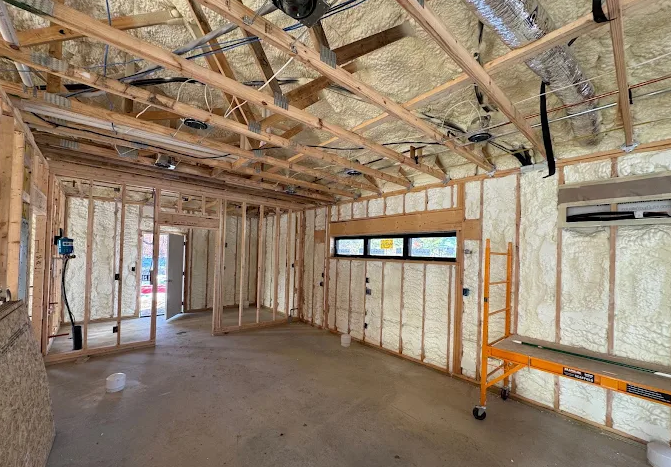
Retrofit vs Replacement Cost and Energy Savings Compared
Which saves more? Replacement usually delivers the bigger drop in energy bills, because it removes compromised material and lets a clean install reach full R-value. Retrofit delivers a smaller gain at a much lower price.
These are industry standard ranges for Northwest Indiana, not a quote. Actual pricing shifts with attic size, access, and contamination, so a free assessment is what turns a range into a real number.
How to Tell Which One Your Attic Needs
You can settle this in fifteen minutes with a flashlight. Look for the signs your attic insulation is failing, then judge what you see rather than what a contractor tells you over the phone.
Is the insulation dry to the touch? Is it evenly spread, or has it drifted into piles? Can you see joist tops across most of the floor? Do you smell anything musty?
Dry, clean, and simply thin points to a retrofit. Wet, matted, smelly, or full of droppings points to replacement. If you find both conditions in different parts of the attic, partial removal followed by a retrofit is common and perfectly reasonable.
What Payback Looks Like on Each Option
Payback is where the two projects separate. A retrofit costs less and returns less, so the timeline is often similar to replacement despite the smaller invoice.
Figures assume a $250 monthly energy average and reflect industry standard estimates rather than a promise. Your actual numbers depend on the house, the furnace, and how the attic performs today.
Curious what attic retrofit costs in LaPorte look like specifically? Local pricing varies more than most homeowners expect.
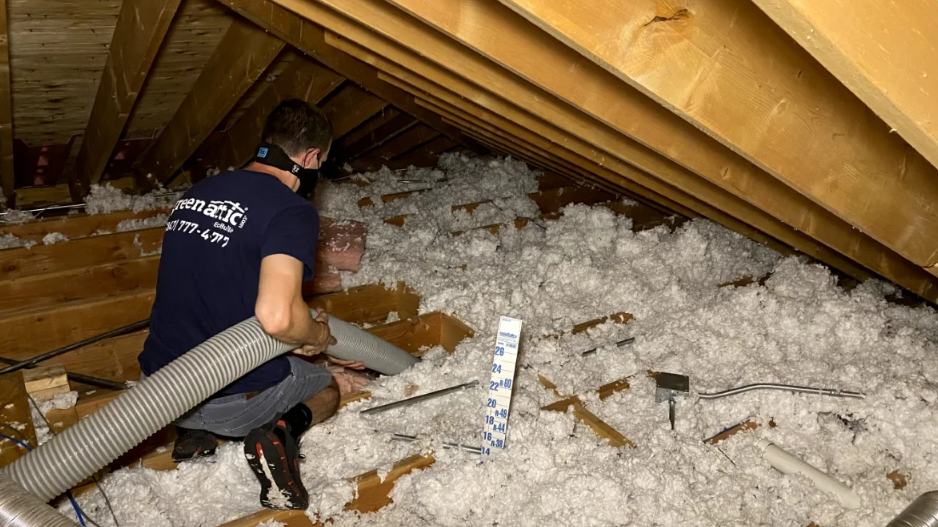
Book an Attic Insulation Retrofit Assessment with Eclipse Insulation
Guessing costs more than measuring. Eclipse Insulation provides free attic insulation retrofit assessments across Northwest Indiana, including • Valparaiso • Chesterton • Laporte • Merrillville • South Bend • Crown Point • Portage • Cedar Lake • Munster • Hobart
We measure existing depth, test for moisture, check for pest activity, and tell you plainly whether your attic needs added material or a clean start. Sometimes the answer saves you thousands. Sometimes it saves you from spending thousands twice.
Call (219) 200-2307 or request your free assessment online, and get a finalized quote built on your attic rather than on an average. No pressure, no upsell to a project your attic did not ask for.
FAQs
Is an attic retrofit cheaper than full insulation replacement?
Yes, typically by $1,200 to $3,300 on an average home, since replacement includes removal and disposal. The gap narrows once you account for the larger energy savings replacement usually delivers.
Can old insulation be left in place during a retrofit?
Only when it is dry, clean, and free of pest activity. Any contamination means full insulation removal first, because new material cannot fix what it is covering.
How much can an attic upgrade lower my heating bill?
Retrofits commonly cut heating and cooling costs 10 to 20 percent, while full replacement often reaches 20 to 35 percent. Actual results depend on your current R-value, furnace efficiency, and how leaky the attic is.
What R-value should a Northwest Indiana attic reach?
Indiana sits in Climate Zone 5, where R49 to R60 is the recommended attic range. That works out to roughly 15 inches of fiberglass or 13 inches of open cell spray foam.
How long does each project take?
A retrofit is usually a single day. Full replacement runs two to three days because removal, cleanup, and disposal happen before installation begins.

