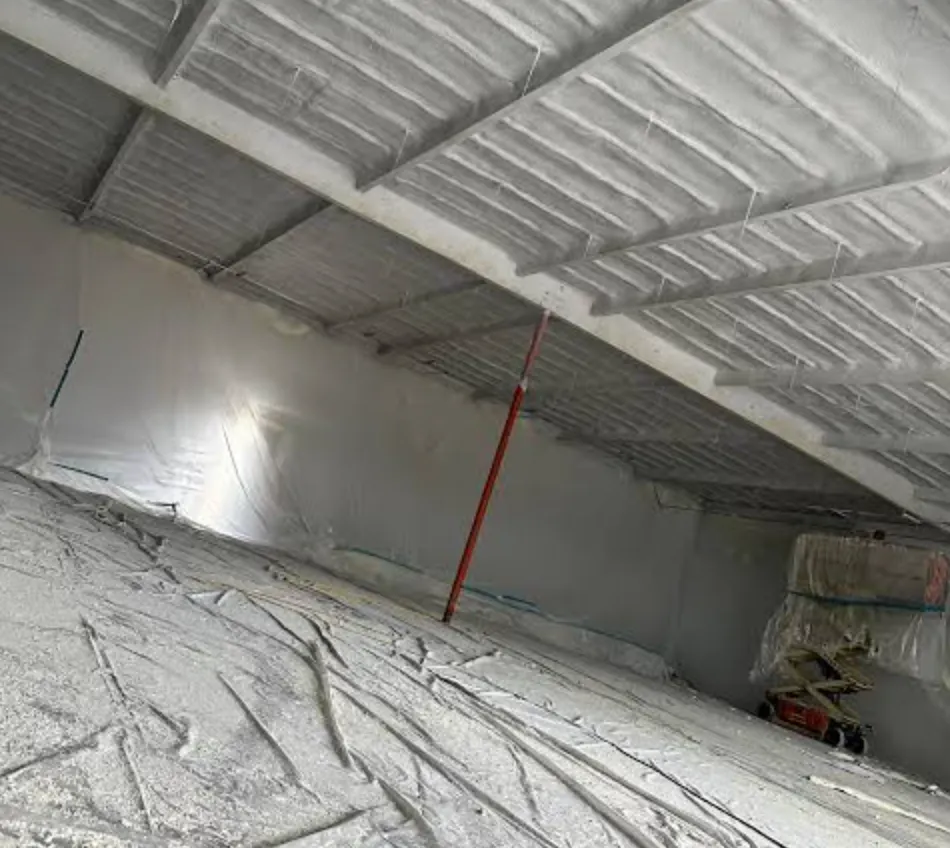
Closed Cell Spray Foam for Crawl Spaces in Chesterton IN
Closed Cell Spray Foam for Crawl Spaces and Basements in Chesterton IN
Closed cell spray foam is the standard choice for Chesterton crawl spaces and basements, and the reason has almost nothing to do with R-value. It has to do with water.
Northwest Indiana sits on soil that stays damp most of the year, and anything below grade is in constant conversation with that moisture. Insulation that absorbs water does not just underperform. It becomes the problem, holding dampness against framing and feeding exactly the mold and rot you installed it to prevent. The short answer is that dense foam refuses to let water in at all, and that single property changes everything below grade.
Why Chesterton Crawl Spaces and Basements Need Closed Cell Spray Foam
Closed cell spray foam insulation cures into a rigid, sealed material that water cannot pass through. Below grade in Chesterton, that single property does more work than R-value ever will.
A crawl space faces three loads at once. Ground moisture pushes up through soil and block. Humid summer air condenses on cool foundation walls. Cold winter air pulls heat out of floors above. Dense foam addresses all three in one application, acting as insulation, air barrier, and vapor barrier simultaneously.
Wondering how the two products differ generally? The open cell vs closed cell spray foam comparison covers attics and interior walls, where the calculation looks quite different.
How Closed Cell Spray Foam Controls Moisture Below Grade
Moisture control below grade is a sequence, not a product. Foam goes on last.
Standing water and drainage issues get resolved first
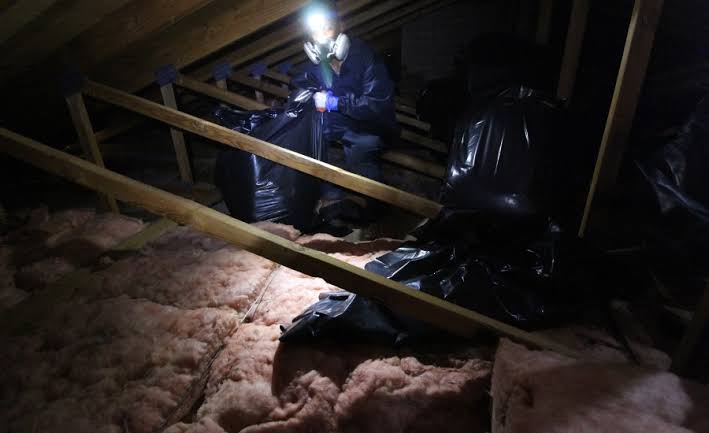
Existing fiberglass or contaminated material comes out
Framing and block are inspected for active rot
Air leaks at the rim joist and sill plate are identified
Dense foam is applied to walls and rim joists
Most Chesterton crawl spaces need old insulation removal before anything new goes in, because wet fiberglass holds water indefinitely. If you are weighing whether to add or start over, the same logic behind retrofit or full insulation replacement in attics applies underneath the house.
Where Closed Cell Spray Foam Goes in a Crawl Space
Application location matters as much as material choice. Modern practice insulates the crawl space walls rather than the floor above, which brings the space inside the building envelope.
Why the change? Insulating the floor leaves pipes, ductwork, and the crawl space itself in unconditioned, humid air. Sealing the walls instead keeps the whole volume dry and moderate, which protects plumbing and improves comfort in the rooms above.
Foam typically covers foundation walls, the rim joist band, and the sill plate. Open cell spray foam has no role here, since vapor permeability is precisely what you are trying to avoid in a space sitting against damp soil.
Closed Cell Spray Foam vs Other Insulation Below Grade
Not every material belongs underground, and the ones that fail tend to fail the same way. Water gets in, stays in, and takes the insulation value with it.
Material | Moisture performance | Below grade verdict |
Closed cell spray foam | Sealed, water resistant | Recommended |
Absorbs and holds water | Not suitable | |
Rigid foam board | Good, but seams leak air | Workable with sealing |
Blown cellulose | Absorbs readily, compacts | Not suitable |
What about simply laying plastic sheeting and leaving the walls bare? Ground vapor barriers help, but they do nothing for wall conduction or air leakage at the rim joist, which is where most crawl space heat loss actually happens.
What to Expect During a Crawl Space Insulation Project
Most Chesterton crawl space projects finish in one to two days. Crews tarp access routes, remove old material, apply foam in controlled lifts, and clean the space before leaving.
Expect a curing odor for several hours and a noticeably warmer floor within a day. Homeowners frequently report that the rooms above feel different before the energy bill does.
Planning other work this season? Our guides on the signs your attic insulation is failing, what open cell spray foam costs, and attic retrofit costs cover the upstairs half of the building, where the material logic runs almost opposite to what happens below grade.
Schedule a Closed Cell Spray Foam Crawl Space Assessment with Eclipse Insulation
Crawl spaces hide their problems well, which is why they are usually worse than homeowners expect. Eclipse Insulation inspects and insulates crawl spaces and basements throughout Northwest Indiana, including • Valparaiso • Chesterton • Laporte • Merrillville • South Bend • Crown Point • Portage • Cedar Lake • Munster and • Hobart
Any insulation contractor in Chesterton should check moisture conditions and drainage before recommending closed cell spray foam, because foam applied over an active water problem solves nothing. We look first and quote second.
Call (219) 200-2307 or request your free crawl space assessment online, and find out what is actually happening under your floor. The inspection is free and the honesty is standard.
What is the best insulation for a crawl space in Indiana?
Closed cell spray foam is the standard recommendation, because it insulates, air seals, and blocks vapor in a single application. Materials that absorb water, including fiberglass and cellulose, tend to fail quickly below grade.
Should I insulate crawl space walls or the floor above?
Current best practice insulates the walls, which brings the crawl space inside the conditioned envelope. That approach protects plumbing from freezing and keeps the whole volume dry rather than leaving it humid.
Does a crawl space still need a vapor barrier with spray foam?
Yes, a ground vapor barrier is still recommended, since foam on the walls does not address moisture rising through exposed soil. The two work together rather than replacing one another.
Can spray foam be installed over wet or moldy insulation?
No, and any contractor offering to do so is cutting corners. Old insulation removal and remediation come first, because sealing foam over active moisture traps the problem rather than solving it.
Which areas does Eclipse Insulation serve for crawl space work?
We cover Chesterton, Valparaiso, LaPorte, Merrillville, Crown Point, South Bend, Portage, Cedar Lake, Munster, and Hobart across Northwest Indiana.

